Do not Just Rely on College Material
Why It's Crucial to Go Beyond the Curriculum
February 08, 2025 • Lectures
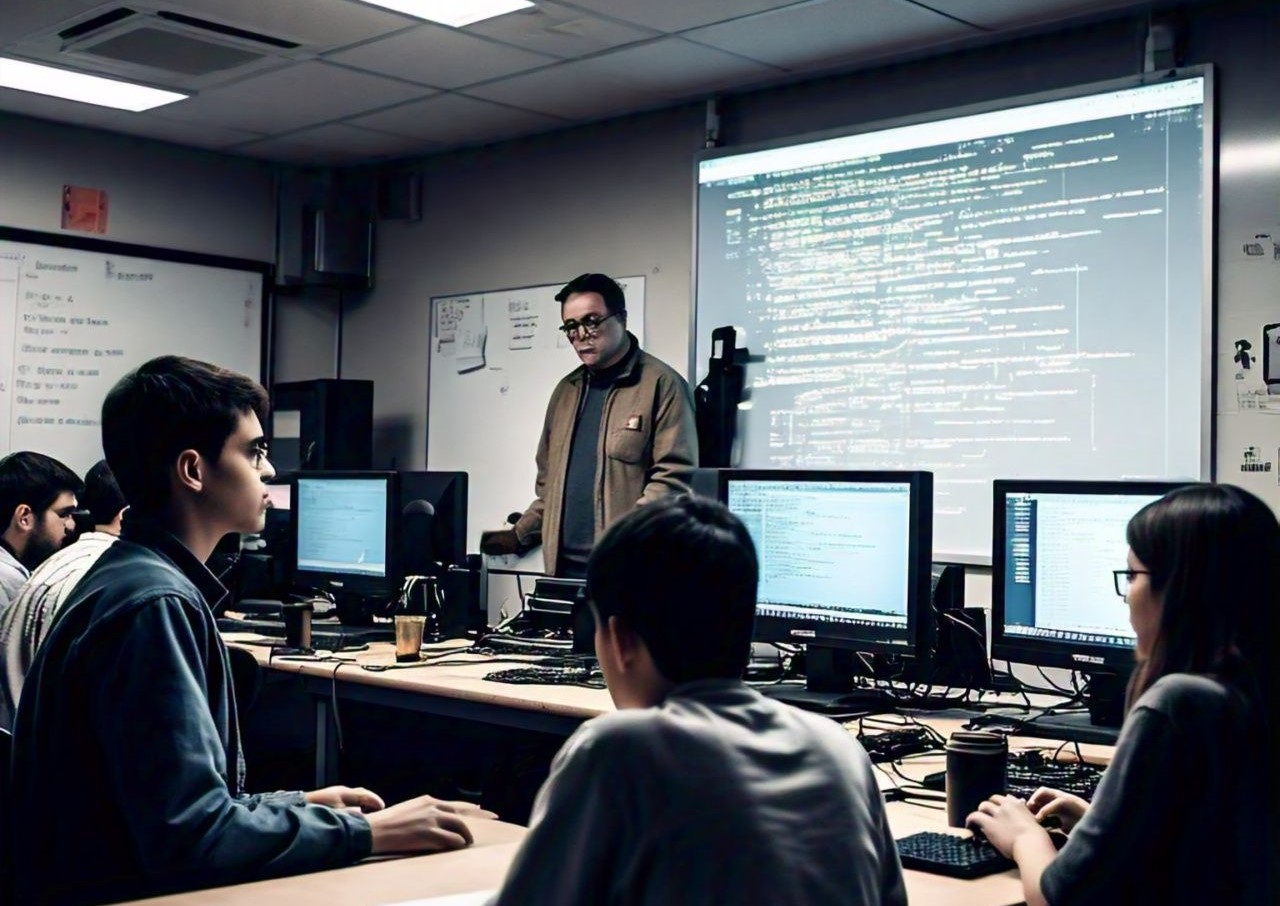
As a student, especially in fields related to technology, engineering, or business, the pressure to succeed in college can be overwhelming. With exams, assignments, and projects, it’s easy to think that acing your courses is the key to landing your dream job or building a successful career. However, relying solely on the material provided in college often isn’t enough to truly excel in the competitive world of technology, business, or any other field. This article explores why it is important to not just depend on the content taught in college, but to go beyond the curriculum and actively seek knowledge, experience, and skills that will make you stand out in the job market and in your career.
The Reality of College Curriculums
College education, while valuable, has its limitations. Many academic programs focus on providing a solid foundation in theory, history, and the core principles of a subject. Professors are often tasked with preparing students for broad concepts, and curriculums are designed to be applicable across a wide variety of industries and job roles. The reality is that the pace of change in the job market, especially in fields like technology, often outpaces the updates to college syllabi.
In many cases, the material you learn in college may not be entirely up-to-date with the latest trends, tools, or technologies in your industry. Textbooks may be outdated, and the practical applications of some subjects may not reflect the current needs of employers. Additionally, the rapid advancements in areas like software development, data science, and digital marketing mean that the tools and practices you learn in class may quickly become obsolete or irrelevant.
This doesn’t mean that college is not valuable. College can provide the essential theoretical knowledge, critical thinking skills, and structured learning environment needed to build a solid foundation. However, relying solely on what is taught in the classroom limits your potential to grow beyond the basics. Here's why it's crucial to go beyond the college material.
1. The Pace of Technological Advancements
One of the most significant challenges of relying solely on college material is the ever-evolving landscape of technology. In fields such as software development, data science, artificial intelligence, and even marketing, the tools, languages, and frameworks used in the industry can change in a matter of months. For example, consider the world of web development. While you may learn about HTML, CSS, and JavaScript in college, many modern web developers now use frameworks like React, Angular, and Vue.js, or full-stack solutions such as Spring Boot and Node.js. If you limit yourself to the technologies covered in your courses, you may miss out on industry-standard tools that employers are looking for.
Moreover, in fields such as machine learning or cloud computing, entire platforms and technologies can emerge in a short amount of time. New languages and frameworks rise and fall in popularity, making it essential for professionals to stay updated and continuously learn new skills. In this fast-moving world, what you learn in a classroom could be outdated even before you graduate, or at least not in tune with the industry's latest needs.
2. Gaining Practical Experience and Hands-on Learning
Another essential reason to go beyond college material is the need for practical experience. Most college curriculums focus heavily on theory and exams, but employers generally care more about your ability to apply that knowledge in real-world scenarios. Whether you're developing software, creating marketing strategies, or managing business operations, real-life projects and problems are where you learn the most.
In college, you may be given theoretical exercises, but in the real world, you'll be expected to solve practical problems and deliver tangible results. This is where internships, personal projects, and freelance work come in. The best way to learn is to actually apply what you've learned in a professional environment. Whether it’s building your own website, contributing to open-source projects, or helping a small business with its marketing, hands-on projects can provide the experience and skills that the classroom simply cannot.
For instance, in programming, it’s one thing to learn a new language like Python in class, but it’s another thing to build a functioning app or website with it. Similarly, marketing strategies in textbooks are often too theoretical to cover the nuances of real campaigns that adapt to market trends, customer feedback, and competition. Internships or side projects help students bridge this gap by giving them the chance to practice and refine their skills.
3. Developing Soft Skills Beyond Technical Knowledge
While technical skills are undeniably important, soft skills such as communication, teamwork, problem-solving, and leadership are just as crucial in the professional world. College material generally emphasizes technical knowledge but may not provide enough emphasis on the development of soft skills.
Employers are not just looking for candidates who can complete tasks, but also for individuals who can work well in teams, communicate their ideas effectively, and adapt to dynamic environments. These are the skills that will allow you to thrive in any workplace, yet they are rarely the focus of academic courses. Participating in extracurricular activities like volunteering, sports, student organizations, or even group projects in class can help develop these essential soft skills. Building your ability to work with others, present ideas clearly, and navigate challenges in real-life scenarios will give you a significant advantage in your career.
4. Networking and Building Professional Relationships
Networking is another key area where relying solely on college material may not suffice. College can provide some opportunities for networking through events, job fairs, and academic conferences, but these are often limited in scope. In the professional world, networking plays a crucial role in opening doors to job opportunities, mentorship, and collaborations.
If you only focus on your studies, you may miss opportunities to connect with professionals in your field, including industry leaders, alumni, or fellow students who could serve as valuable connections. By attending meetups, conferences, and industry events, engaging in online communities, and even reaching out to professionals on LinkedIn, you can create a network that will help you land your first job or take your career to the next level.
Moreover, being part of a professional network can help you stay updated on industry trends and job openings that aren’t posted publicly. Often, the most exciting opportunities arise through word of mouth and relationships, not just from job postings.
5. Building a Personal Brand and Online Presence
In today’s digital age, building a personal brand and online presence is more important than ever. College provides you with the tools and knowledge, but it is up to you to create a strong professional image. This includes developing a portfolio of your work, maintaining an updated LinkedIn profile, engaging on industry-related platforms like GitHub (for tech roles) or Behance (for designers), and even blogging about your learning experiences and projects.
By actively engaging online and creating content that showcases your skills, you can build a strong personal brand that sets you apart from other job seekers. Having an online presence allows potential employers and collaborators to discover your work and see your expertise firsthand.
For developers, for example, building and showcasing personal projects on GitHub or contributing to open-source projects is a great way to demonstrate practical experience. For marketers, writing insightful blog posts or creating social media campaigns for real-world businesses can show that you have a genuine passion for your field.
6. Developing Self-Discipline and Lifelong Learning Habits
Relying solely on your college education can lead to a passive approach to learning, but in the real world, you’ll need to adopt a more proactive approach. The most successful professionals are those who develop habits of lifelong learning. The world is constantly changing, and staying relevant means keeping up with new developments, acquiring new skills, and continually improving yourself.
Adopting a mindset of continuous improvement and developing self-discipline will make you more adaptable, employable, and effective in your work. College often provides the initial tools, but it is up to you to continue learning through online courses, books, podcasts, webinars, and real-world experiences.
Go Beyond College Material
While a college education is undeniably important and forms the foundation for your career, relying solely on the material taught in class will not be enough to make you truly competitive in the job market. To succeed, it’s crucial to go beyond the curriculum by gaining practical experience, developing soft skills, building a professional network, and continually learning. The world is full of resources that can supplement your academic education, and it’s up to you to take advantage of them.
By taking a proactive approach to your education, seeking out opportunities for real-world experience, and continuously building on your skills, you can set yourself apart from other graduates and be better prepared to thrive in your career. Don’t wait for your college degree to be your only source of knowledge—continue to learn, grow, and challenge yourself long after you’ve walked across the graduation stage.


Comments (0):