Can You Wear Earphones While Working? A Comprehensive Exploration of Pros and Cons
Workplace Tips
March 22, 2025 • Career Advice
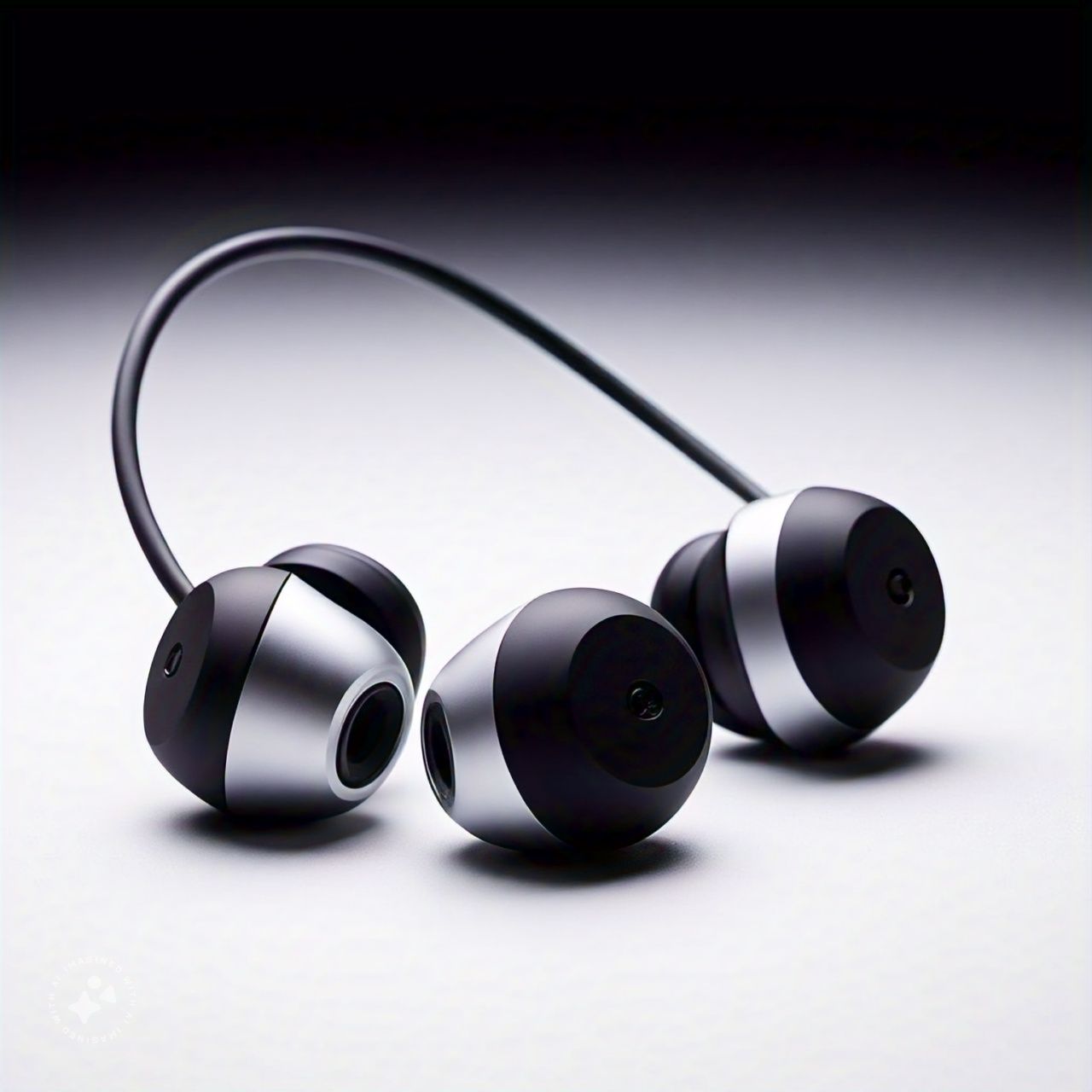
In the modern workplace, especially in environments where concentration and focus are key, the question of whether to wear earphones while working has become a topic of increasing interest. The rise of open-plan offices, remote work, and the shift towards more personalized work environments has led many employees to consider whether earphones or headphones could help them improve their work experience. Earphones, which are smaller, more portable, and less obtrusive than traditional headphones, are an attractive option for those looking to enjoy music, podcasts, or white noise while staying productive.
However, like most workplace practices, the use of earphones during work has its benefits and potential drawbacks. This article explores whether wearing earphones at work can be a helpful tool for enhancing productivity and focus or if it could ultimately hinder performance, collaboration, and overall work dynamics.

1. Benefits of Wearing Earphones at Work
Improved Focus and Concentration
One of the most significant reasons people use earphones while working is to create a personal bubble that blocks out distractions and improves focus. In open-office environments, where noise from colleagues, phone calls, and general office chatter can be overwhelming, earphones can provide a simple and effective solution. By listening to music, white noise, or ambient sounds, workers can mask background noise, which can help them concentrate on the task at hand.
Studies suggest that music can boost concentration, particularly for tasks that require sustained attention or those that involve repetitive processes. For instance, employees in creative roles may find that background music or instrumental tracks help them think more clearly and keep them engaged. Similarly, white noise or nature sounds can also serve to mask disruptive office noises, making it easier for employees to maintain focus for extended periods.
Reduced Stress and Anxiety
Listening to music or calming sounds through earphones can help reduce stress and anxiety, which is especially important in high-pressure work environments. Many people find that music has a therapeutic effect, helping to soothe nerves and alleviate stress. For example, classical music or ambient soundscapes can promote relaxation, improving both mood and productivity.
In addition to helping reduce stress, earphones can also provide a sense of privacy, allowing workers to retreat into their own world without the distractions of office gossip, conversations, or background noise. This can lead to a more comfortable and less stressful working environment.
Increased Productivity
Some research has indicated that music can help improve productivity, particularly for tasks that require repetitive actions or low-level cognitive engagement. For example, administrative tasks such as data entry, scheduling, or organizing may become less tedious and more manageable when accompanied by music or other forms of audio.
In creative roles, such as writing, design, or programming, background music can stimulate brain activity and help with brainstorming, problem-solving, and creativity. Many workers find that certain genres of music—whether classical, electronic, or even upbeat pop—can encourage a flow state and enhance their creative output.
Privacy for Personal Tasks
For workers who need to make private calls or focus on confidential tasks, earphones can serve as a boundary that indicates they prefer to be left alone. Wearing earphones can signal to others that the person is focused and not available for casual conversations, thus promoting greater respect for personal work time and reducing the chances of being interrupted.

2. Drawbacks of Wearing Earphones at Work
Lack of Awareness of Surroundings
While earphones can help create a focused work environment, they can also reduce a person’s awareness of their surroundings. For instance, employees may miss important announcements, phone calls, or team discussions if they are too absorbed in their headphones. In environments where communication and teamwork are essential, wearing earphones can create barriers to quick, spontaneous interactions and reduce the flow of collaboration.
This lack of awareness is especially problematic in jobs that require multitasking, quick decision-making, or immediate responsiveness. Workers may miss out on vital cues from colleagues, management, or clients, potentially leading to mistakes or delayed reactions.
Isolation from Colleagues
Although earphones can help employees create a sense of personal space, they can also lead to feelings of isolation. In open-plan offices, the use of earphones can create a divide between coworkers, making it difficult for them to connect with one another. Over time, this could foster a lack of teamwork and communication, as workers become more self-contained in their audio-driven worlds.
In addition to missing out on spontaneous conversations, workers who wear earphones may struggle to participate in collaborative discussions or brainstorming sessions. This can hinder team cohesion and reduce overall engagement within the workplace.
Potential Hearing Damage
Extended use of earphones at high volumes can lead to hearing damage over time. Prolonged exposure to loud sounds—whether from music, podcasts, or other audio—can cause hearing loss or tinnitus (a ringing sensation in the ears). Workers who regularly listen to audio through earphones may risk long-term auditory damage if they do not practice proper volume control.
While many modern earphones and headphones come with built-in volume-limiting features, it's still essential for users to remain mindful of the volume levels and take regular breaks to give their ears a rest. Overuse of earphones at work could lead to hearing issues that, in the long run, impact the worker’s ability to perform their tasks effectively.
Discomfort and Physical Strain
Some people find wearing earphones for extended periods uncomfortable, particularly when they are used during long work hours. Prolonged use of earphones can lead to ear fatigue, discomfort, or even pain, particularly if the earphones are not ergonomically designed or are worn too tightly.
Moreover, constant earphone use can lead to physical strain on the neck or shoulders, as workers may lean forward or adjust their posture to accommodate the device. In environments where workers are expected to wear earphones for most of the day, such discomfort may detract from overall well-being and productivity.

3. Best Practices for Using Earphones at Work
Volume Control
To mitigate the risk of hearing damage, it is essential to use earphones at moderate volumes. Many experts recommend following the 60/60 rule: listening at no more than 60% of the maximum volume for no more than 60 minutes at a time. Taking regular breaks from earphones can also help reduce the risk of hearing loss.
Choosing the Right Audio Content
The type of audio content played through earphones should be selected based on the task at hand. Music without lyrics, ambient sounds, or white noise can help boost concentration and reduce distractions, whereas music with lyrics may be better suited to tasks that require less focus. Podcasts or audiobooks are useful for personal development or entertainment during less cognitively demanding tasks.
Using Noise-Cancelling Earphones
Noise-canceling earphones are particularly useful for workers in loud or distracting environments. These earphones help to block out external noise, allowing workers to focus without being distracted by background chatter or office noise. However, it is essential to maintain an awareness of safety concerns, especially in environments where hearing important sounds (such as alarms or emergency notifications) is necessary.
Set Boundaries with Colleagues
Using earphones at work should not signal complete disengagement from the team. It is important to set boundaries and communicate with colleagues about when it is appropriate to use earphones and when it may be necessary to remove them for important discussions. Workers should also be mindful of cultural or organizational norms regarding earphone use, as it may vary between workplaces.
Alternating with Team Interactions
To avoid the feeling of isolation, workers should balance their use of earphones with regular interactions with colleagues. Taking breaks, joining group discussions, or participating in collaborative sessions can help maintain social engagement and prevent the sense of disconnect that can result from too much solitary time with earphones in.
When Should You Avoid Wearing Earphones?
While earphones can be beneficial in many work settings, there are specific situations where wearing them may be inappropriate or counterproductive:
- In highly collaborative environments: In workplaces that require constant communication, brainstorming, or teamwork, earphones may impede the free flow of ideas and hinder spontaneous collaboration.
- When handling critical tasks: If your job requires you to stay alert to your surroundings or respond to critical situations, wearing earphones may distract you from important cues and reduce your effectiveness. - In customer-facing roles: For employees who work in customer service, sales, or other client-facing roles, wearing earphones may create a barrier to communication and hinder the quality of service provided.
- In customer-facing roles: For employees who work in customer service, sales, or other client-facing roles, wearing earphones may create a barrier to communication and hinder the quality of service provided.
The decision to wear earphones at work largely depends on the nature of the job, the environment, and personal preferences. For many workers, earphones offer a valuable tool for improving focus, reducing stress, and enhancing productivity. However, they come with potential drawbacks, such as reduced awareness of surroundings and the risk of isolation. When used responsibly and with consideration for the needs of the workplace, earphones can be a powerful ally in enhancing the work experience, but they should be employed in a way that balances individual focus with the need for effective communication and collaboration.



Comments (0):